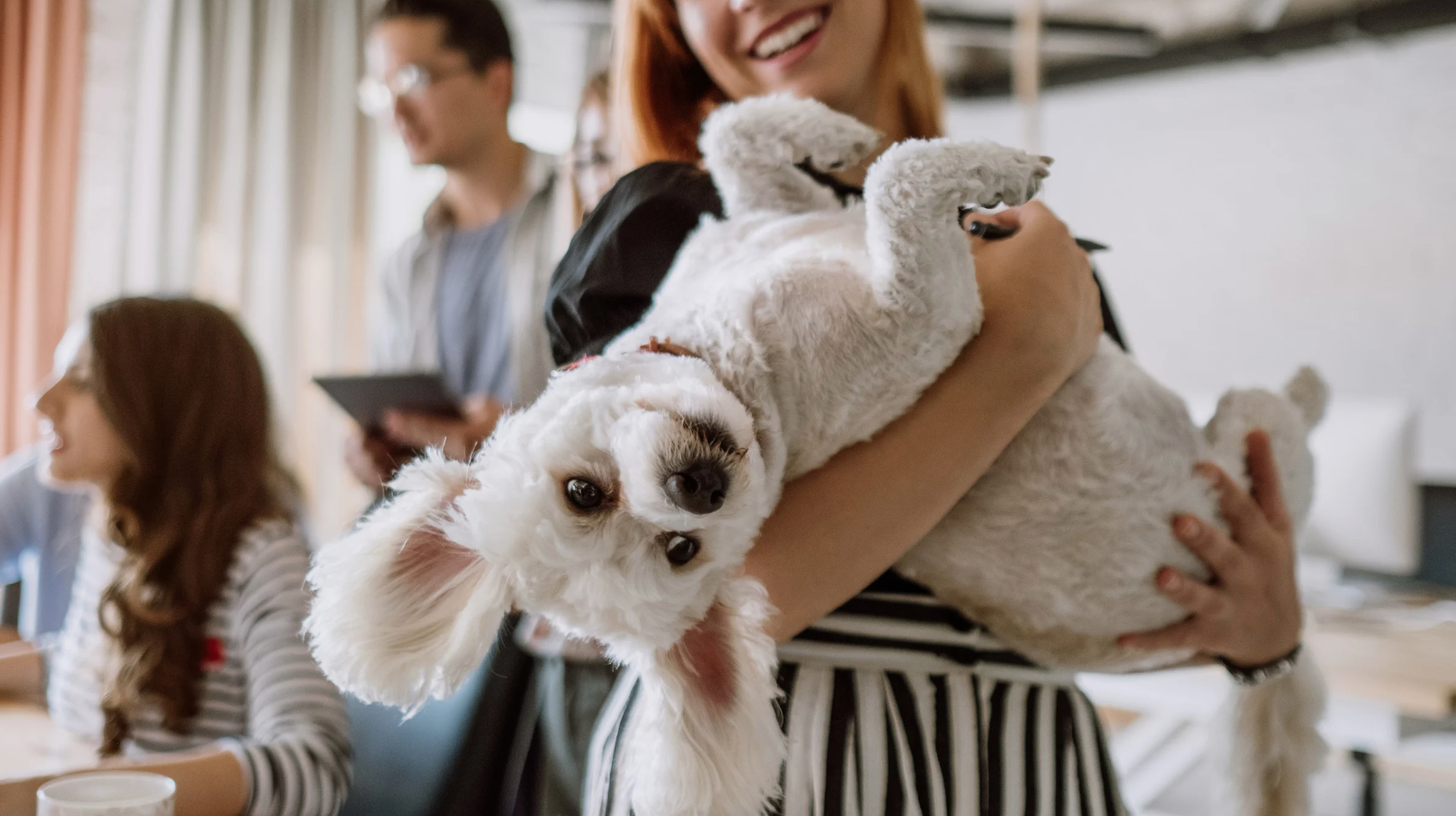
Designing Homes Where Pets and Style Coexist
Animal lovers know the dilemma—maintain a stunning interior or accommodate furry family members. Must we choose between Instagram-worthy spaces and pet-friendly environments? Not anymore! Contemporary design approaches prove these objectives can harmoniously blend, creating homes where paws and sophistication peacefully coexist.
Resilient Materials Make All the Difference
Successful pet-inclusive interiors begin with appropriate foundational elements. Traditional delicate fabrics quickly succumb to claws, fur, and occasional accidents, creating frustration for everyone involved. Strategic material selection eliminates constant cleaning battles and premature replacement cycles.
Contemporary textile innovations have revolutionized options for animal households. Investigate specially formulated fabrics developed for challenging environments—names like Crypton, Inside Out, and Perennials signal superior durability. These technical textiles maintain visual appeal and comfort while resisting moisture penetration, releasing pet hair during cleaning, and withstanding daily wear.
Counterintuitively, genuine leather offers exceptional practicality in pet households. Its non-woven surface prevents fur from becoming embedded in fabric fibers, allowing quick removal during routine maintenance. Should scratches occur despite protective measures, they gradually incorporate into natural patina development, creating unique character rather than appearing as obvious damage.
Underneath it all, flooring selections dramatically impact daily maintenance requirements. Continuous carpeting becomes a perpetual repository for allergens, odors, and pet debris despite regular vacuuming. Superior alternatives include porcelain tile, sealed stone, luxury vinyl plank, or specially treated engineered wood. These surfaces resist scratching, permit immediate accident cleanup, and maintain appearance under paw traffic while supporting your overall design aesthetic.
Integrating Animal Necessities
Every pet requires specific equipment—sleeping areas, feeding stations, entertainment options, and various accessories depending on species. Traditionally, these items disrupted carefully crafted interiors unless thoughtfully incorporated into overall planning.
Kitchen renovations present perfect opportunities for pet-conscious improvements. Custom millwork can include slide-away feeding stations that appear during mealtimes then disappear afterward. Specialized cabinetry features efficiently store bulk food, organize medications, and contain pet-related equipment without sacrificing precious visual real estate.
Dual-purpose furniture solves numerous challenges in animal-friendly spaces. Entry benches with interior compartments neatly contain leashes, toys, and walking accessories. Side tables with integrated pet bedding provide cozy retreats that blend with surrounding décor. These multipurpose pieces maximize utility while maintaining design cohesion throughout living areas.
Transition zones deserve special attention in active animal households. Dedicated mud rooms equipped with washing stations prevent outdoor debris from migrating throughout interior spaces. Wall-mounted organizational systems keep daily pet necessities accessible without creating visual clutter. These practical installations streamline routines while preserving cleanliness throughout adjacent areas.
Disguising Inevitable Animal Evidence
Regardless of grooming frequency or training success, pets naturally leave traces throughout shared environments—hair accumulation, occasional marks on surfaces, and wear patterns on frequently used items. Clever design employs numerous strategies to minimize these visual disruptions.
Thoughtful color coordination significantly reduces visible impact between thorough cleaning sessions. Selecting interior textiles that complement your animal’s coat color makes shedding less immediately apparent. Generally, mid-tone surfaces disguise hair more effectively than extremely light or dark options, which tend to highlight every stray strand.
Patterns and textures perform valuable camouflage functions in pet-inhabited spaces. Subtle motifs visually break continuous surfaces, making minor imperfections less noticeable under casual observation. Dimensional fabrics naturally minimize visible hair accumulation while disguising typical wear areas resulting from regular animal contact.
Essential but visually disruptive pet equipment benefits from creative concealment approaches. Unattractive plastic litter boxes disappear inside attractive furniture pieces featuring discrete access points. Bulky metal crates transform into functional accent tables with custom surrounds. These thoughtful conversions maintain necessary functionality while elevating aesthetic quality.
Harmonious Living for All Species
Truly successful pet-friendly interiors acknowledge biological realities while enhancing experiences for every inhabitant—regardless of species.
Indoor-outdoor connections gain importance in animal households. Contemporary architectural solutions include aesthetically pleasing pet portals integrated within sliding systems or custom millwork. These unobtrusive additions facilitate natural movement patterns while preserving design integrity throughout connected spaces.
Material palettes benefit from nature-inspired selections. Organic elements introduce warmth and visual interest while offering surprising resilience against daily wear. These authentic components connect interior environments to outdoor spaces that animals instinctively appreciate.
Creating homes where pets and people thrive together requires embracing practical realities without surrendering aesthetic aspirations. When functional solutions seamlessly blend with beautiful surroundings, everyone enjoys enhanced daily living. Perfect pet-friendly design establishes environments where elegance and practicality naturally complement each other—no compromises needed.